

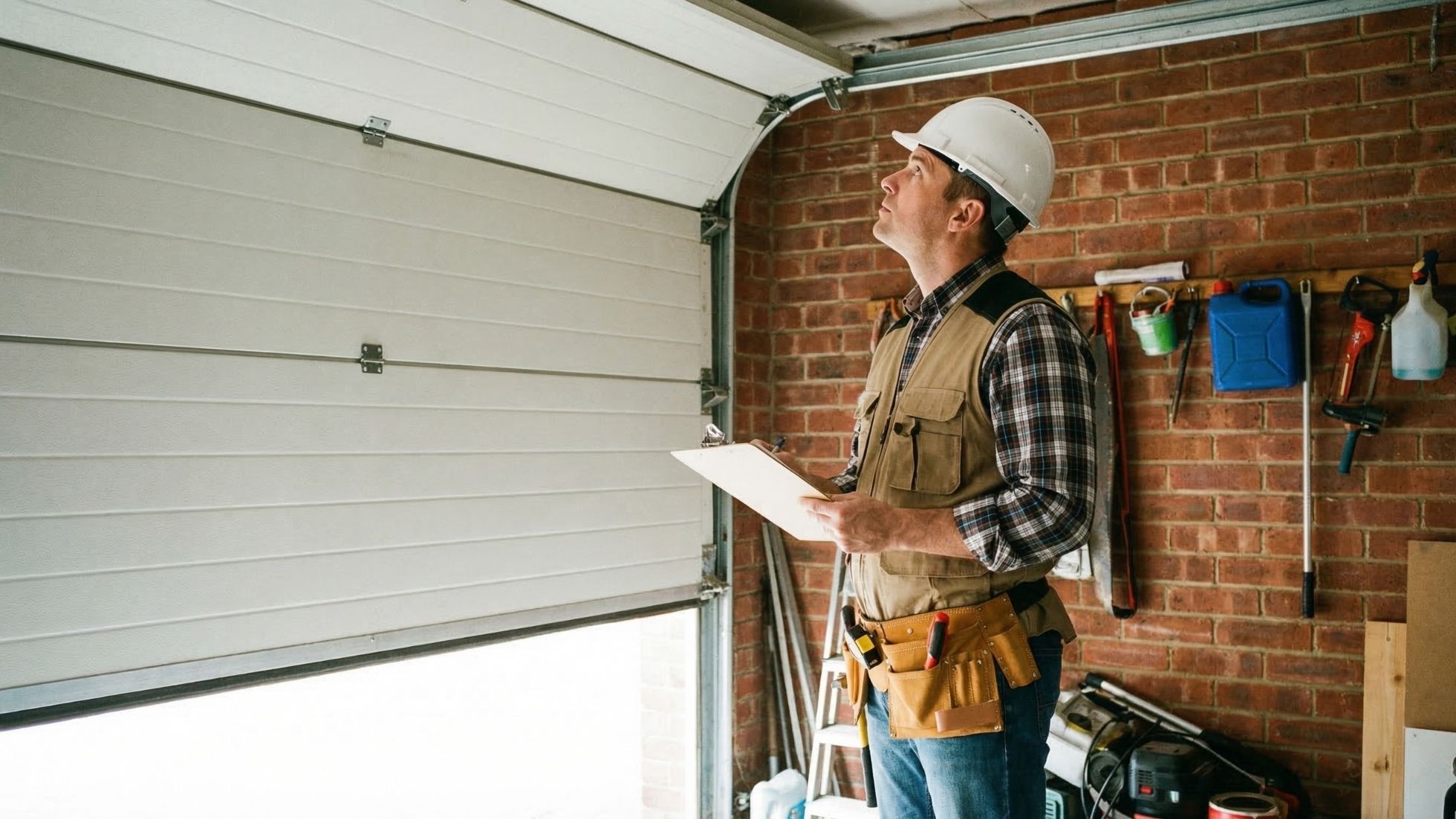
Your garage door works silently in the background most days, until it doesn’t. A malfunctioning garage door isn’t just an inconvenience; it’s a safety hazard and a security vulnerability. Whether it’s a slow response, unusual noise, or a complete failure to open or close, recognizing the warning signs early can save you money on costly repairs and prevent dangerous situations.
At Winnipeg’s Quality Garage and Overhead Door Specialists, we’ve completed over 2,000 successful repairs and maintenance services. We know the early indicators that your garage door needs professional attention. This guide will help you identify problems before they become emergencies, though we’re here 24/7 if they do.
When Should You Call a Professional?
If your garage door is making unusual noises, moving slowly, won’t close completely, shows visible damage, or hasn’t been serviced in over a year, it’s time to call a professional. These are the most common warning signs that your door needs repair. Small issues caught early can often be fixed with minor adjustments or replacements, preventing expensive repairs or safety hazards. Our licensed technicians can diagnose problems quickly and provide transparent pricing for fixes.
Common Warning Signs Your Garage Door Needs Repair
1. Unusual Noises: Listen for Trouble
A well-maintained garage door operates quietly and smoothly. If you’re hearing new sounds, your door is trying to tell you something needs attention.
Types of Noises and What They Mean:
Grinding or Scraping Sounds
These noises typically indicate misaligned tracks, worn rollers, or debris caught in the door mechanism. The door’s panels may be rubbing against the frame or track. This is common in Winnipeg after winters when road salt and debris accumulate.
Squeaking or Squealing
High-pitched squeaks usually mean the rollers, hinges, or springs need lubrication. This is one of the easiest problems to fix—professional lubrication restores smooth operation and extends component lifespan.
Banging or Clanking
Heavy metallic sounds indicate loose hardware, worn rollers, or damaged panels. These sounds suggest structural issues that need immediate professional inspection.
Popping or Creaking
These sounds often come from the garage door spring or track system. Creaking is particularly concerning in Winnipeg’s freeze-thaw climate where metal components expand and contract dramatically.
Rattling
Rattling usually means loose bolts, hinges, or brackets. While sometimes minor, loose hardware can worsen quickly and compromise door safety.
2. Slow or Jerky Movement: Speed Tells a Story
Your garage door should open and close smoothly at a consistent speed. Slow or stuttering movement is a red flag.
Sluggish Opening or Closing
If your door moves noticeably slower than before, the motor may be working harder than it should. This could indicate:
- Worn or misaligned rollers requiring more force
- Insufficient lubrication
- Spring tension problems
- Motor wear or electrical issues
Jerky or Halting Motion
A door that stops and starts during operation suggests track misalignment or roller issues. Never force a stuck door—call our emergency service immediately.
Uneven Movement
If one side of a double-car door opens faster than the other, track alignment or roller wear is likely. This imbalance stresses the entire system and can cause complete failure if ignored.
3. Won’t Close Completely: A Security Risk
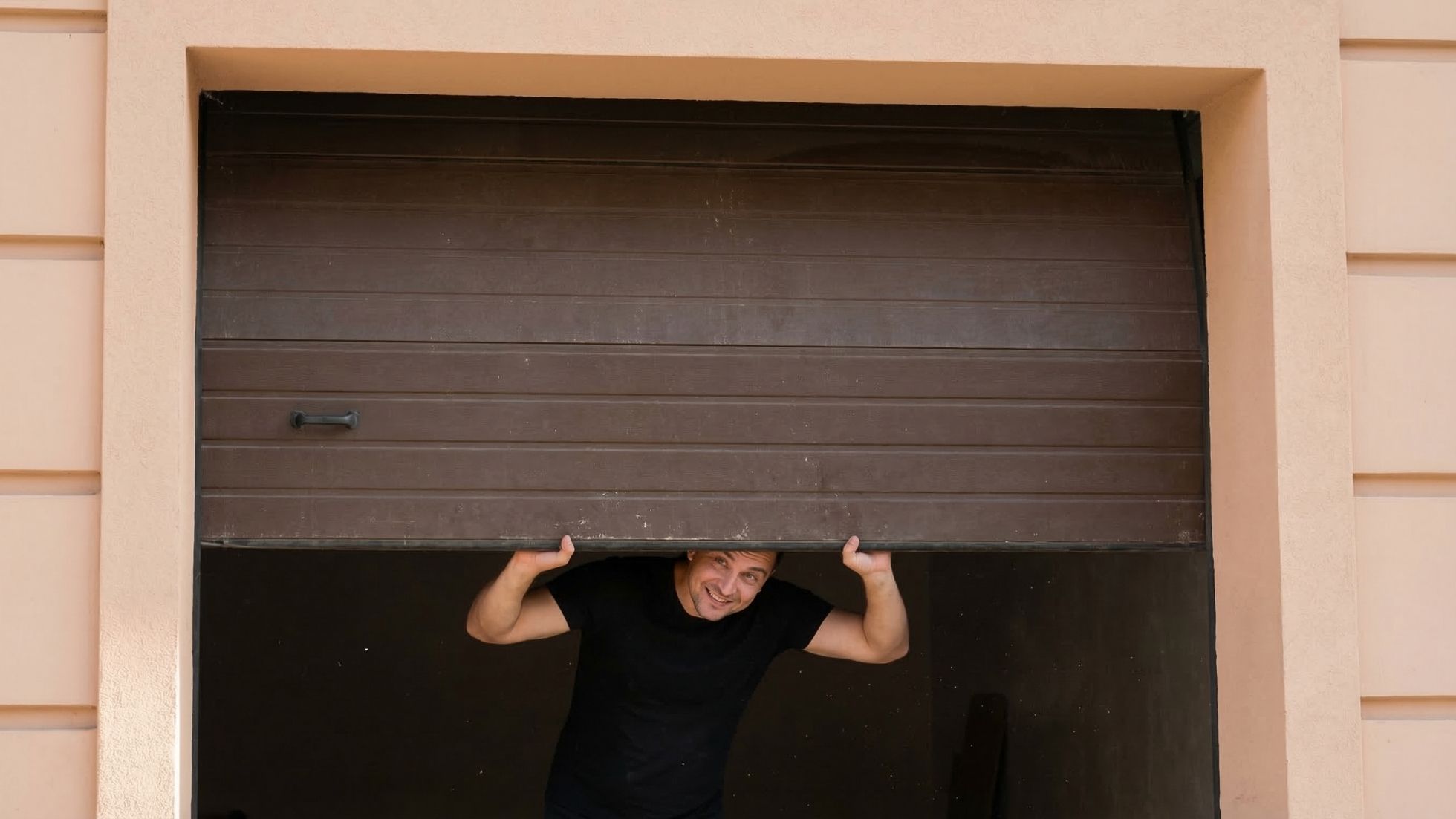
One of the most serious warning signs is a door that refuses to close fully or gaps open after closing.
Partial Closure
If your door stops mid-close and reverses upward, the safety sensors may be misaligned or blocked. This is actually a safety feature preventing the door from closing on obstacles, but it indicates a problem that needs fixing.
Door Stays Partially Open
A door that won’t fully close leaves your garage vulnerable to break-ins and exposes your home to weather and pests. This could be caused by:
- Sensor issues (the most common cause)
- Spring problems affecting closing force
- Track obstruction or misalignment
- Motor malfunction
Door Opens Unexpectedly
If your door opens on its own or at random times, electrical issues, sensor problems, or radio interference may be responsible. This is a security concern requiring immediate professional attention.
4. Won’t Open or Opens Slowly: When It Refuses to Cooperate
A completely non-functional door traps your vehicle and prevents access to your garage.
Door Won’t Open at All
Before calling for repair, check if it’s a simple issue:
- Is the remote battery dead?
- Is the wall button activated?
- Is there a manual release engaged?
If none of these explain it, the problem could be:
- Broken spring (the most common cause of non-operation)
- Motor failure
- Electrical problems
- Severe track misalignment
Door Opens Extremely Slowly
Slow opening usually indicates spring weakness or motor strain. In Winnipeg’s winter conditions, springs are particularly vulnerable to failure due to cold temperatures affecting metal tension.
5. Visible Damage: Don’t Wait for Worse
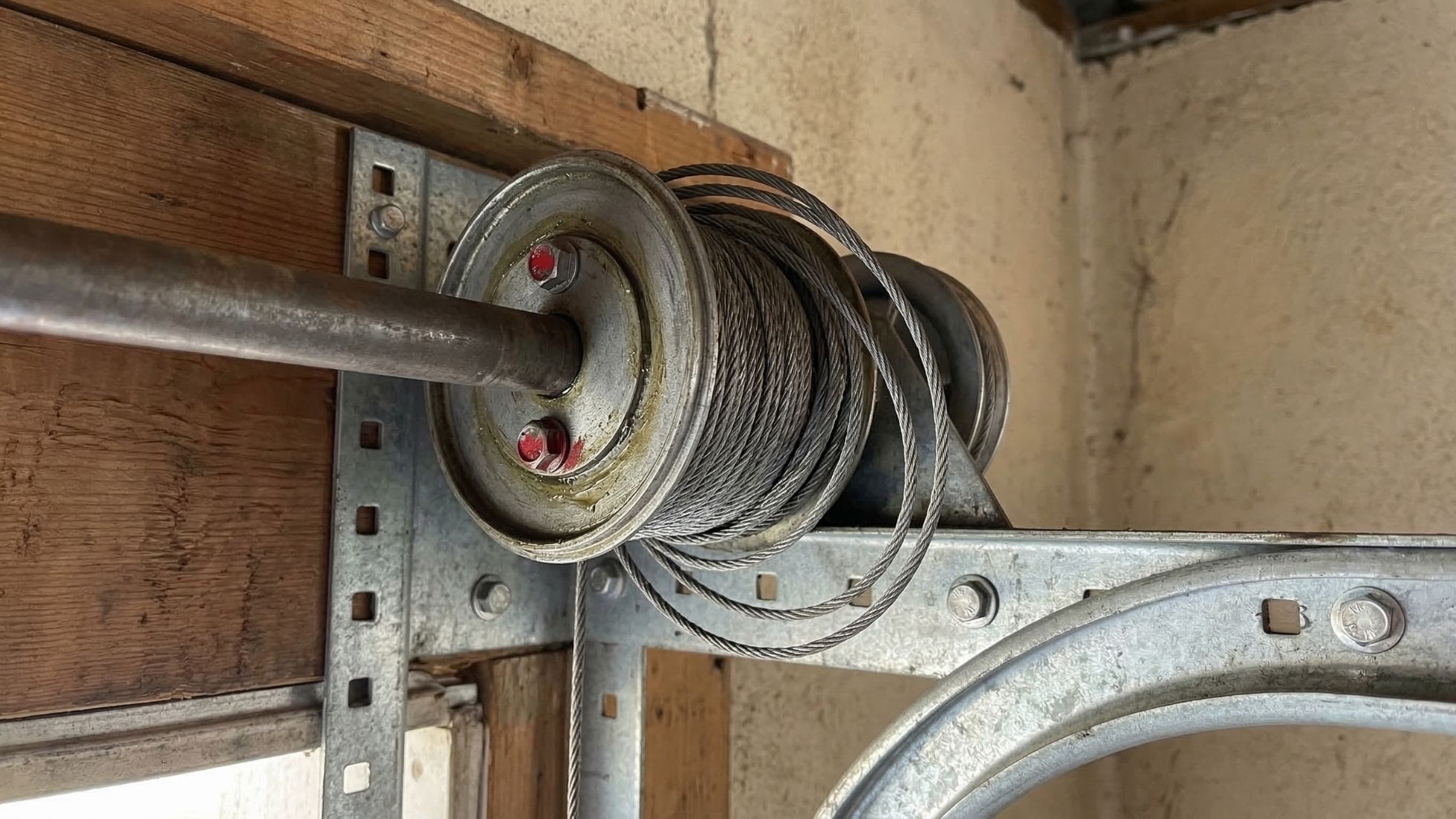 Physical damage to your garage door compromises both function and security.
Dented or Bent Panels
Minor dents are cosmetic, but large dents or bends can:
- Prevent the door from sealing properly
- Cause misalignment issues
- Indicate impact damage requiring full assessment
Cracked Panels
Wood doors may crack due to temperature fluctuations and moisture exposure—especially critical in Winnipeg’s freeze-thaw climate. Cracks allow water infiltration and weaken panel integrity.
Damaged or Missing Weather Seals
Weather stripping prevents drafts, moisture, and pest entry. Missing or damaged seals compromise energy efficiency and home protection.
Rust or Corrosion
Surface rust on steel panels is minor, but deep rust indicates structural weakness. In Winnipeg, road salt exposure accelerates rust formation.
Broken or Bent Springs
If you notice an obvious gap in a spring or springs hanging loosely, do not attempt to operate the door. Broken springs are extremely dangerous—they hold tremendous tension and can cause serious injury if mishandled. This is a job for licensed professionals only.
Damaged Rollers or Hardware
Visible wear on rollers, hinges, or brackets indicates the door needs professional maintenance or repair.
6. Spring Problems: The Most Common Serious Issue
Garage door springs are under enormous tension and are critical to safe operation. Spring problems often require professional replacement.
Door Is Heavier Than Normal
If your door feels unusually heavy when operating the manual release, spring failure is likely. The springs are supposed to counterbalance the door’s weight; without them, the full weight falls on the motor and opener.
Loud Bang or Snap
If you hear a loud bang from the garage, a spring likely just broke. Do not operate the door after hearing this sound.
Visible Spring Wear or Breakage
Springs above the door or attached to the frame may show signs of wear, rust, or breakage. Professional inspection is essential.
Uneven Door Height
If one side of the door appears higher than the other, one spring may be failing while the other holds the load. This puts extreme stress on the system.
7. Sensor or Electrical Issues: The Modern Problems
Modern garage doors include safety sensors and electronic controls that can malfunction.
Door Won’t Respond to Remote
If the wall button works but the remote doesn’t, the battery may be dead (try replacing it first). If both fail or the wall button doesn’t work, electrical issues need professional diagnosis.
Safety Sensors Are Blocked or Misaligned
The photo-eye sensors on either side of the door bottom detect obstructions. If they’re blocked by dirt, spider webs, or physical damage, the door won’t close as a safety measure.
Red Light on Sensor Unit
If the LED lights on your sensors aren’t aligned properly (typically shown by different colored lights on each side), misalignment needs correction.
Opener Makes Noise But Door Doesn’t Move
This indicates the motor is running but the door mechanism isn’t responding—possible coupling failure or drive system issues.
8. Haven’t Had Maintenance in Over a Year
Even if your door seems fine, regular maintenance prevents future problems.
No Professional Inspection Recently
Professional maintenance twice yearly (spring and fall) catches small issues before they become emergencies. Lubrication, tension checks, and component inspection extend door life significantly and improve safety.
Visible Dirt, Debris, or Buildup
Winnipeg’s weather leaves salt residue, sand, and debris that accumulate on tracks and components. Professional cleaning and inspection prevent corrosion and mechanical problems.
Springs Haven’t Been Serviced
Springs typically last 7-15 years with proper maintenance. If your door is older and springs haven’t been replaced or serviced recently, failure is likely coming.
Why Ignoring Warning Signs Costs More
Small problems become expensive when ignored. Here’s how:
Broken Springs Force the motor to work at maximum capacity, often burning it out ($400-800 for motor replacement versus $200-400 for spring replacement).
Misaligned Tracks Cause uneven wear on rollers, eventually requiring complete replacement of the roller system ($300-600).
Ignored Noise Issues Often indicate lubrication or minor wear that, if left untreated, leads to component failure requiring replacement ($500-2000+ depending on what fails).
Security Risks Doors that don’t close properly invite break-ins. One burglary can cost thousands in stolen items or home damage repair.
Energy Loss A door with poor seals or damaged insulation increases heating and cooling costs significantly throughout the season.
What to Do If You Notice Warning Signs
Step 1: Stop Using the Door If Unsafe
If you notice broken springs, severe damage, or the door won’t operate, don’t force it. Call our 24/7 emergency service immediately.
Step 2: Document the Problem
Note what you’re observing:
- When did the problem start?
- What sounds or behaviors are you noticing?
- Has the door had recent impact or weather exposure?
- How old is the door?
This information helps our technicians diagnose quickly.
Step 3: Call for Professional Inspection
Don’t attempt DIY repairs on garage door mechanisms—springs, cables, and openers are dangerous. Our licensed technicians will:
- Inspect all components
- Identify root causes
- Provide transparent pricing
- Recommend solutions
Step 4: Schedule Service at Your Convenience
Most repairs are completed in a single visit. We offer same-day emergency service and flexible scheduling for non-urgent repairs.
Winnipeg-Specific Considerations
Winter Damage and Freeze-Thaw Cycles
Winnipeg’s extreme temperature swings cause unique garage door problems:
Spring Failure in Cold
Cold temperatures make springs more brittle. Springs that work fine in summer may snap suddenly in winter when metal becomes less flexible.
Track Misalignment
Metal tracks contract and expand with temperature changes, sometimes causing misalignment. Salt on tracks from winter roads accelerates corrosion.
Sensor Issues
Condensation, frost, and ice can block sensors or interfere with their operation. Professional cleaning and protective measures help prevent seasonal sensor failures.
Panel Warping
Wood doors and some composite materials expand and contract with humidity and temperature changes. Winnipeg’s extreme swings make this particularly problematic.
Seasonal Maintenance for Winnipeg Homes
Before winter arrives, schedule maintenance to address problems that cold weather will stress. After winter, spring maintenance clears salt damage and salt-related corrosion. This twice-yearly schedule is essential in Winnipeg’s climate.
Professional Repair vs. DIY: Why You Need Experts
While some homeowners attempt DIY garage door repairs, this is genuinely dangerous and often expensive:
Spring Replacement: Garage door springs are under 200+ pounds of tension. Improper handling can cause serious injury or death. This requires specialized tools and expertise.
Track Adjustment: Misalignment requires precision. Incorrect adjustment creates more problems than it solves.
Motor and Opener Issues: Electrical components require proper diagnosis and safe handling. Incorrect repairs can create fire hazards or electrical shocks.
Sensor Alignment: Precise sensor alignment is critical for safety. Improper alignment defeats the safety features designed to protect you.
Our licensed, insured technicians have the training, tools, and experience to repair your door safely and correctly the first time.
Frequently Asked Questions
Q: Is a noisy garage door dangerous?
A: Noise itself usually isn’t dangerous, but it often indicates a problem that could become dangerous if ignored. Have it inspected professionally.
Q: Can I keep using my garage door if it’s slow?
A: Slow operation usually indicates your door is working harder than normal. Continued use stresses components and can lead to failure. Have it inspected soon.
Q: What should I do if my garage door won’t close?
A: Don’t force it. Check if an object is blocking the sensor beam. If the sensor is clear, call for professional repair. A door that won’t close is a security vulnerability.
Q: Are broken garage door springs dangerous?
A: Extremely dangerous. A broken spring releases hundreds of pounds of tension suddenly. Never attempt DIY replacement. Call our 24/7 emergency service immediately.
Q: How much does a garage door repair typically cost?
A: Costs vary widely depending on the problem. A simple lubrication might cost $100-200, while spring replacement could cost $400+. Call for a free quote on your specific issue.
Q: Can cold weather cause garage door problems?
A: Absolutely. Winnipeg’s cold makes springs more brittle, causes tracks to contract, and makes metal components more vulnerable to failure. Winter maintenance is essential.
Q: What’s included in garage door maintenance?
A: Professional maintenance includes lubrication of moving parts, spring tension inspection, track alignment check, sensor verification, hardware tightening, and safety testing.
Q: How often should I have my garage door serviced?
A: We recommend professional maintenance twice yearly—spring and fall. This catches seasonal problems and prevents winter failures.
Q: Is it expensive to fix a garage door sensor?
A: Sensor problems are often simple fixes. Misalignment can be corrected for free or minimal cost. Sensor replacement typically costs $150-300. Call for diagnosis.
Q: My garage door is very old. Should I replace it?
A: If repairs are frequent or cost exceeds 50% of replacement cost, replacement may be more economical. Our technicians can advise on repair vs. replacement during your consultation.
Don’t Let Small Problems Become Big Emergencies
Your garage door works hard to keep your home secure and accessible. Like any mechanical system, it needs attention when warning signs appear. Whether you’re hearing strange noises, noticing slow movement, or seeing visible damage, professional inspection ensures your door operates safely and reliably.
Winnipeg’s Quality Garage and Overhead Door Specialists is here when you need us—24/7 emergency service, same-day repairs, and transparent pricing.
Call us today for your free inspection: (204) 404-3667
Or request a callback: Submit your information through our online form, and we’ll contact you at your convenience.